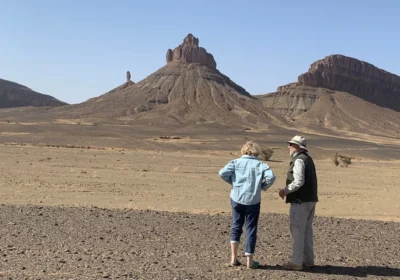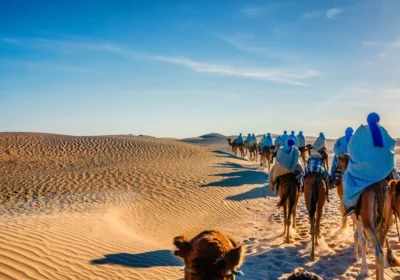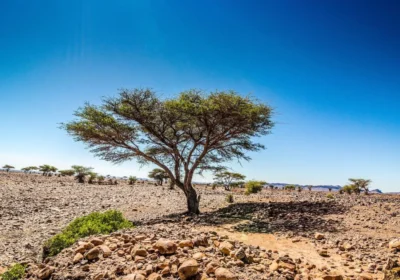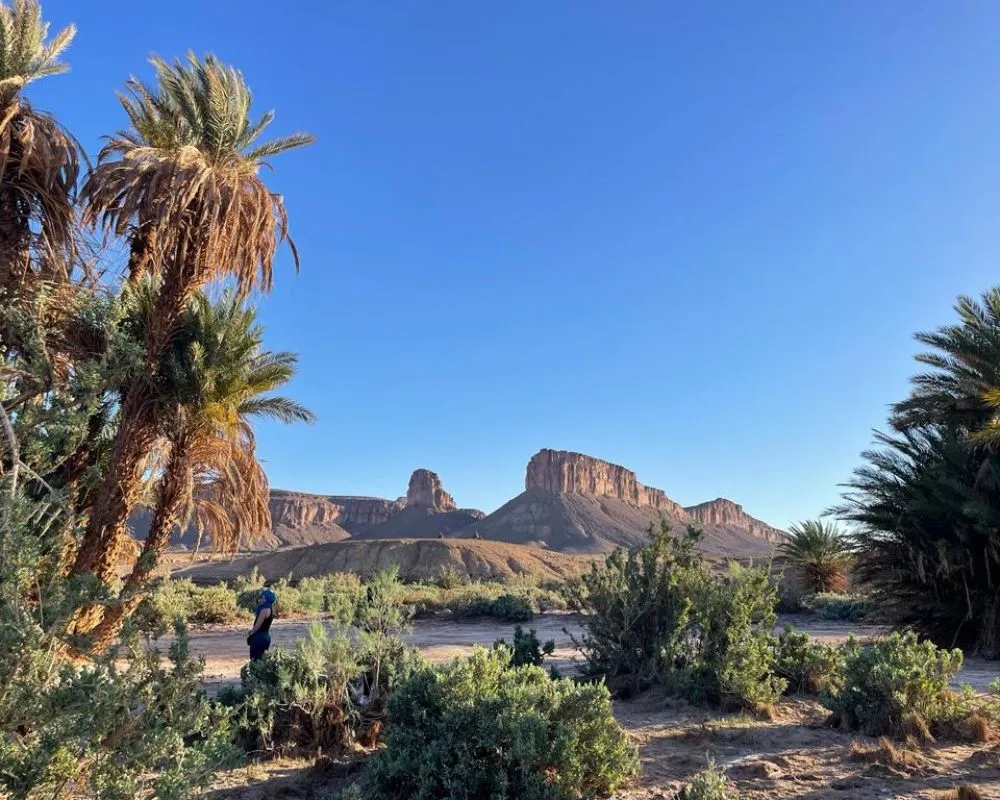
The Iriki Desert in Morocco is a remarkable destination for travellers seeking vast open landscapes, remote desert tracks, golden dunes, and an authentic Sahara experience. Located in the south of the country, the area around Lake Iriki offers a striking combination of dry lake plains, rocky desert terrain, and sandy landscapes stretching towards Erg Chegaga.
Far from the busy streets of Morocco’s major cities, this part of the Sahara invites visitors to slow down, explore the desert with a local guide, and experience a different side of southern Morocco.
Whether you are planning a 4×4 excursion, a visit to Lake Iriki, a night in a desert bivouac, or a longer Sahara adventure, this guide explains what makes the Iriki Desert special and how to prepare for your trip.
Where Is the Iriki Desert in Morocco?
The Iriki Desert is located in southern Morocco, in the region around Lake Iriki and Iriqui National Park. The landscape lies between the area around Foum Zguid and the desert routes extending towards Erg Chegaga and the wider Sahara.
Foum Zguid is one of the main access points for travellers exploring this part of the desert. From there, suitable desert vehicles can follow remote tracks across rocky plains and open desert terrain towards Lake Iriki and nearby dune areas.
The region is known for its immense horizons, dry lakebed, scattered desert vegetation, and changing landscapes. Depending on the route, a journey may pass through rocky terrain, sandy tracks, small settlements, and areas where the dunes become more prominent.
The Iriki Desert is not a single fenced attraction with one entrance. It is a large natural landscape that is best explored as part of a properly planned desert excursion.
What Is Lake Iriki?
Lake Iriki, also known as Iriqui Lake or Lac Iriki, is a large seasonal lake basin within Iriqui National Park. It is one of the best-known natural features of this part of southern Morocco.
Despite its name, Lake Iriki is usually dry. Its broad, flat surface creates an unusual landscape that can resemble an immense natural plain stretching towards the horizon. After favourable rainfall, some areas may temporarily hold water, but this depends on weather conditions.
The contrast between the pale lakebed, rocky desert, distant mountains, and surrounding sand landscapes makes Lake Iriki an interesting destination for nature lovers and photographers.
Why Is Lake Iriki So Special?
Lake Iriki offers a different desert experience from the classic image of endless sand dunes.
Visitors may discover:
- A vast, open lakebed with remarkable views.
- Rocky desert plains and distant mountain scenery.
- Desert plants adapted to a dry climate.
- Birdlife when seasonal conditions are favourable.
- Changing colours during sunrise and sunset.
- Desert routes connecting the lake area with nearby dune landscapes.
The scenery can change considerably with the seasons and recent rainfall. For this reason, it is best to check local conditions before travelling if you are hoping to see water or particular wildlife.
Iriki Desert and Iriqui National Park:
Iriqui National Park protects an important landscape in southern Morocco, including the Lake Iriki area and surrounding desert environments.
The region contains several types of terrain, including dry lake plains, rocky ground, sandy areas, and vegetation adapted to arid conditions. These environments support wildlife that has adapted to the challenges of desert life.
The park is also part of a wider landscape with cultural and historical connections to communities living in southern Morocco.
Visitors should respect the natural environment by avoiding litter, staying on suitable tracks, and following local guidance. Wildlife sightings are never guaranteed, and animals should be observed from a respectful distance.
Best Things to Do in the Iriki Desert:
An excursion into the Iriki Desert can combine nature, photography, cultural encounters, and an overnight stay, depending on the itinerary.
1. Explore Lake Iriki by 4×4
A guided 4×4 excursion is a practical way to reach the remote landscapes around Lake Iriki.
The journey itself is part of the experience. Travellers may cross rocky plains, follow sandy tracks, stop at scenic viewpoints, and explore the open landscape around the dry lakebed.
The route and duration depend on the starting point, weather, track conditions, and the itinerary selected. A driver familiar with the local desert terrain can help make the journey safer and more informative.
2. Discover the Dunes Near Erg Chegaga
Erg Chegaga is a major dune destination in southern Morocco. Its sweeping sand formations provide a striking contrast to the flatter landscape around Lake Iriki.
Depending on the itinerary, travellers can combine the Iriki area with Erg Chegaga for a varied desert journey.
Activities may include walking on the dunes, enjoying the sunset, taking photographs, or spending the night at a desert camp.
3. Visit Erg El Mhazil
Erg El Mhazil is another dune area associated with desert excursions in the wider region. Depending on local arrangements and route conditions, it may be included in a trip focused on remote landscapes and overnight bivouac experiences.
Ask your local tour operator whether this destination fits your available time and the type of desert experience you want.
4. Watch the Desert Sunset
Sunset is one of the most memorable moments of a Sahara trip. As the sun moves towards the horizon, the colours of the desert can change from pale gold to orange and deep red.
The best viewpoint depends on the landscape, weather, and route. Follow your guide’s advice about where to stop and how much time is available before nightfall.
5. Spend a Night in a Desert Bivouac
An overnight desert bivouac gives you time to experience the Sahara after the day’s excursion has ended.
Depending on the camp, the experience may include a traditional Moroccan dinner, tea, a tent, bedding, and time to enjoy the evening beneath the stars.
Facilities vary from one camp to another. Before booking, check the type of tent, bathroom arrangements, meals, transport, and any activities included in the price.
6. Photograph the Desert Landscapes
The Iriki region offers a variety of photographic subjects, from the open lakebed and distant mountains to desert tracks, dunes, and changing light.
Early morning and late afternoon often provide softer light and more interesting shadows. Protect your camera or phone from dust and bring sufficient battery power, particularly on longer excursions.
7. Learn About Local Desert Life
The landscapes around Foum Zguid and Lake Iriki are connected to local communities and traditions in southern Morocco.
Depending on the tour, visitors may have opportunities to learn about local food, tea, traditional crafts, and ways of adapting to life in an arid environment.
Visits should be arranged respectfully. Always ask permission before photographing people or entering private spaces.
How to Visit the Iriki Desert:
Because the Iriki Desert includes remote areas without ordinary road access, planning your transport is important.
Starting from Foum Zguid
Foum Zguid is a practical starting point for many excursions to Lake Iriki and the surrounding desert.
Travellers can arrange a guided 4×4 journey from the town, with the possibility of combining different landscapes and destinations according to the itinerary.
Depending on your plans, you may choose a day excursion or a multi-day trip with an overnight bivouac.
Starting from Marrakech
Travellers coming from Marrakech generally need to plan a road journey towards southern Morocco before beginning their desert excursion.
Because the journey involves considerable distance and may include mountain roads, it is important to allow enough time for driving, breaks, and changing road conditions.
A private transfer or an organised itinerary can help simplify the journey. Confirm exactly where the desert tour starts and whether transport from Marrakech is included.
Starting from Ouarzazate
Ouarzazate is another possible starting point for a trip through southern Morocco. From there, travellers can arrange road transport towards Foum Zguid before continuing into the desert.
Check the route and current travel time before departure, especially if you have a scheduled camp arrival or a multi-day itinerary.
Do You Need a 4×4?
For most visitors, a suitable 4×4 with a driver experienced in local desert tracks is the practical option for reaching remote areas around Lake Iriki.
Ordinary cars are not suitable for every desert track, and conditions may change after rain or due to shifting sand. Travellers should not assume that a route is passable simply because it appears on a map.
For safety, use an appropriate vehicle and follow local advice about the route.
Best Time to Visit the Iriki Desert:
The best time to explore the Iriki Desert depends on temperatures, your preferred activities, and the type of trip you want.
Spring
Spring can offer comfortable conditions for desert exploration, although temperatures vary. It is a useful season to consider for 4×4 excursions, photography, and overnight camping.
Autumn
Autumn is also a popular period for travelling through southern Morocco. Conditions can be suitable for exploring the desert, but travellers should check the forecast for their specific dates.
Winter
Winter days can be pleasant for outdoor activities, but desert nights may become cold. Bring warm clothing if you plan to stay overnight in a bivouac.
Summer
Summer temperatures can be extremely high in the region. Travellers should plan carefully, follow their guide’s advice, carry sufficient water, and avoid unnecessary exposure during the hottest hours.
Can You See Water in Lake Iriki?
Lake Iriki is generally a dry lakebed. Temporary water may appear after rainfall, but there is no guarantee that the lake will contain water during your visit.
If water levels or birdlife are important to your trip, ask a local guide about recent conditions before booking.
How Many Days Do You Need for the Iriki Desert?
The right duration depends on where you are starting, how much time you have, and whether you want to camp overnight.
One-Day Excursion
A one-day trip may suit travellers who are already in Foum Zguid and want to explore selected desert landscapes.
The exact distance covered and the places visited depend on the route, departure time, and conditions. Confirm the itinerary before booking.
Two Days and One Night
A two-day, one-night trip allows time for a more complete desert experience, potentially including Lake Iriki, scenic stops, and an overnight bivouac.
It can be a suitable option for travellers who want to enjoy the sunset and sunrise without rushing through the landscape.
Three Days and Two Nights
A three-day itinerary provides more flexibility for exploring different areas, enjoying the camp experience, and allowing extra time for photography and local encounters.
Longer trips can be adapted according to the destinations included and the travel arrangements available.
What to Pack for an Iriki Desert Trip:
The desert environment can be hot, dusty, and remote, so packing carefully will make your journey more comfortable.
Consider bringing:
- Comfortable clothes suitable for warm days.
- A warm jacket for cooler evenings and winter nights.
- A hat, sunglasses, and sunscreen.
- Closed shoes suitable for rocky ground and sand.
- Sufficient drinking water for the planned journey.
- A camera or phone with enough battery and storage.
- Personal medication and essential toiletries.
- A small day bag for items you need during stops.
- Some cash for places where electronic payments may not be available.
Ask your tour operator whether meals, bedding, water, and other essentials are included. You may not need to bring everything yourself if these services are provided.
Practical Safety Tips for Visiting the Iriki Desert:
Travel with appropriate local guidance. Remote desert tracks can be difficult to navigate, and route conditions can change.
Check the weather. Rain can affect dry lakebeds and desert tracks. Follow local advice if conditions make a route unsuitable.
Carry sufficient water. Do not rely on finding shops or supplies once you are far from settled areas.
Protect yourself from the sun. Wear a hat, use sunscreen, and take breaks when needed.
Prepare for cold nights. Temperatures can fall after sunset, particularly in winter.
Respect the environment. Take your rubbish with you, avoid disturbing wildlife, and follow local rules for protected areas.
Confirm what your tour includes. Ask about transport, meals, accommodation, activities, and any additional charges before departure.
What Is the Difference Between the Iriki Desert and Erg Chegaga?
The Iriki Desert and Erg Chegaga are related destinations within the wider southern Moroccan desert region, but they offer different landscapes.
The Iriki area is especially associated with Lake Iriki, its broad dry lakebed, rocky plains, and open desert scenery.
Erg Chegaga is known for its large sand dunes and classic Sahara landscape.
A trip that combines both areas can offer a varied experience, moving from open plains and rocky terrain to sweeping dunes. Whether this is possible in one excursion depends on the route, available time, weather, and tour arrangements.
Discover the Iriki Desert with Iriki Desert Tours:
Iriki Desert Tours offers travellers a way to explore the landscapes around Foum Zguid, Lake Iriki, and the Moroccan Sahara through locally guided desert experiences.
Depending on your travel plans and availability, you can enquire about 4×4 excursions, desert bivouacs, overnight trips, and longer journeys through the surrounding desert region.
When contacting us, share your preferred travel dates, group size, departure point, and the destinations you would like to discover. This helps us discuss an itinerary that matches your time and interests.
The Iriki Desert is a destination for travellers who want to discover the quieter landscapes of southern Morocco, from the wide-open Lake Iriki basin to the surrounding rocky plains and dunes.
Explore the region with Iriki Desert Tours and experience the Moroccan Sahara with local guidance.
Contact us today to organize your Sahara desert adventure and choose the perfect season for your trip.